
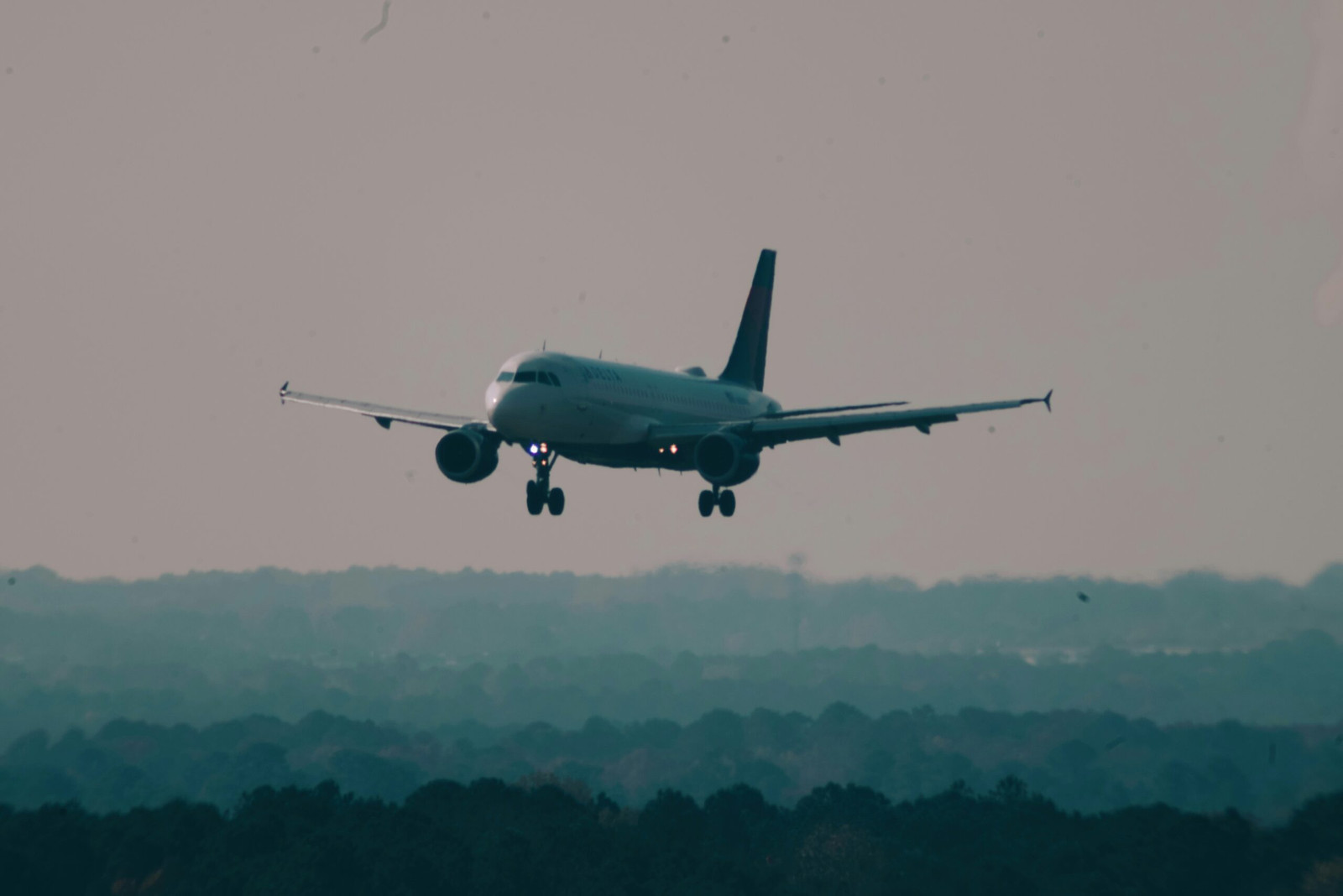
Delta Flight Emergency Landing: Recent Incidents and What You Need to Know
The word “emergency” is something no traveler ever wants to hear while cruising at 30,000 feet. However, a delta flight emergency landing is a highly coordinated safety procedure designed to keep you safe. Whether it is a mechanical hiccup or a disruptive passenger, Delta’s crews are some of the best-trained professionals in the sky. In this article, we will look at the latest events from early 2026, explain why these landings happen, and show you why you are in good hands even when things don’t go as planned.
Recent Events: Delta Flight 2557 Houston Incident
On February 18, 2026, passengers on Delta Flight 2557 experienced a scare shortly after taking off from Houston’s Hobby Airport. The Boeing 717 was headed to Atlanta when a passenger began acting in an unruly manner. Initial reports suggested an attempted cockpit breach, which led the pilot to declare a delta flight emergency landing.
While the airline later clarified that the cockpit was never actually breached, the pilot took no chances. The plane returned to Houston just 17 minutes after takeoff. This incident highlights Delta’s “zero tolerance” policy for behavior that threatens the safety of the cabin. It’s a reminder that a delta flight emergency landing isn’t always about the plane’s engines; sometimes, it’s about keeping the peace on board.
Engine Malfunctions: The Savannah Grass Fire
Just a few days later, on February 22, 2026, another delta flight emergency landing caught national attention. Delta Flight DL-1067 was departing from Savannah/Hilton Head International Airport when its left engine suffered a mechanical failure. The malfunction was so intense that flames from the engine ignited a grass fire next to the runway.
The pilots acted instantly, leveling off at 3,000 feet and looping back for an immediate return. Passengers praised the crew for their “skill and calm under pressure.” This is a classic example of a “precautionary” delta flight emergency landing, where the crew identifies a mechanical risk and decides that being on the ground is much safer than staying in the air.
Why Do Pilots Declare an Emergency?
A pilot doesn’t just “land early” on a whim. Declaring an emergency (using the “Mayday” or “Pan-Pan” calls) gives the aircraft priority over every other plane in the sky. When a delta flight emergency landing is initiated, air traffic control clears a path, and emergency vehicles are stationed on the runway as a precaution.
Common reasons for a delta flight emergency landing include:
- Mechanical Issues: Engine failure, hydraulic leaks, or landing gear problems.
- Medical Crises: A passenger experiencing a heart attack or stroke.
- Security Threats: Unruly passengers or suspicious items.
- Environmental Hazards: Smoke in the cabin or bird strikes.
Understanding the Different Types of Emergency Landings
Not all emergency landings are the same. Aviation experts break them down into three main categories. A delta flight emergency landing usually falls into the “Precautionary” category, which has an incredibly high survival rate because the plane is still under the pilot’s full control.
| Type of Landing | Description | Safety Level |
| Precautionary | Planned landing due to a developing problem. | Extremely Safe |
| Forced Landing | The plane cannot stay in the air (e.g., total engine failure). | Critical |
| Ditching | A forced landing specifically on water. | High Risk |
The Role of the Flight Crew
During a delta flight emergency landing, the flight attendants are your primary guides. They are trained to handle everything from fire suppression to medical first aid. Their main goal is to keep everyone calm and ensure that, if an evacuation is needed, it happens in under 90 seconds.
I once spoke with a retired pilot who said, “We practice for these moments hundreds of times in simulators so that when they happen in real life, it’s just muscle memory.” This expertise is why a delta flight emergency landing almost always ends with everyone walking away safely at the gate.
What Happens to Passengers Afterward?
Once a delta flight emergency landing is completed, Delta’s ground team takes over. If the plane has a mechanical issue, passengers are usually moved to a new aircraft. In the case of the Houston incident, the flight was delayed by only about 90 minutes before it successfully reached Atlanta.
Delta often provides “re-accommodation” services, which can include meal vouchers, hotel stays if the delay is overnight, or bonus frequent flyer miles as a gesture of goodwill. They know that a delta flight emergency landing is stressful, and they work hard to make the rest of your trip as smooth as possible.
Safety Technology on Modern Delta Aircraft
Modern jets like the Boeing 737-900 or the Airbus A321 are packed with sensors. These sensors often alert the pilots to a problem before it even becomes visible. In the Savannah delta flight emergency landing, the pilots knew about the engine issue within seconds thanks to onboard monitoring systems.
These systems allow the crew to make informed decisions. Instead of guessing, they have real-time data that tells them exactly what is wrong. This technology makes a delta flight emergency landing much more predictable and manageable than it was 30 years ago.
How to Stay Safe During a Diversion
If you ever find yourself in a delta flight emergency landing, the best thing you can do is listen. Follow the crew’s instructions immediately. Put away your laptop, tighten your seatbelt, and review the safety card in the seatback pocket.
Don’t worry about your luggage. In the rare event of an evacuation during a delta flight emergency landing, leaving your bags behind is vital. Every second counts, and your life is worth far more than a suitcase. Staying focused and calm helps the crew do their job faster.
The FAA’s Role in Investigations
Every time a delta flight emergency landing occurs, the Federal Aviation Administration (FAA) steps in to investigate. They look at flight data recorders (the “black boxes”) to understand exactly what happened. This process ensures that if a part failed, other planes can be checked to prevent the same thing from happening again.
This constant cycle of “fly, learn, and improve” is why commercial aviation is the safest way to travel. A delta flight emergency landing isn’t just an ending; it’s a data point that makes the next million flights even safer for everyone.
Conclusion
While news of a delta flight emergency landing can be scary, it is actually proof that the safety systems are working. Pilots and airlines would rather land early and be safe than take a risk in the air. Next time you fly, remember that thousands of people and millions of dollars in technology are working together to ensure that even if things go wrong, you will get home safely.
Frequently Asked Questions
No, they are quite rare compared to the thousands of flights Delta operates daily. Most are precautionary and happen without any injuries.
Usually, Delta will get you to your destination on a different plane. While a full refund isn’t always guaranteed, they often provide vouchers or miles for the inconvenience.
A diversion is simply changing the destination (often for weather). A delta flight emergency landing is a specific type of diversion where the pilot declares an “emergency” to get priority help.
Yes! All modern commercial planes are designed to fly and land perfectly fine with only one working engine.
Actually, these reports show how well the system works. Even with engine fires or unruly passengers, the planes landed safely and no one was hurt.
It is a way to sit that protects your head and body from impact. Your flight attendants will show you exactly how to do it if it’s ever needed during a delta flight emergency landing.
Would you like me to create a checklist of what to do during a flight diversion to help you feel more prepared for your next trip?
This video provides a firsthand look and passenger perspective on the recent engine failure and emergency landing incident in Savannah.