How to Maximize Results with Hydroquinone 4%: Timeline, Tips, and Clinical Insights
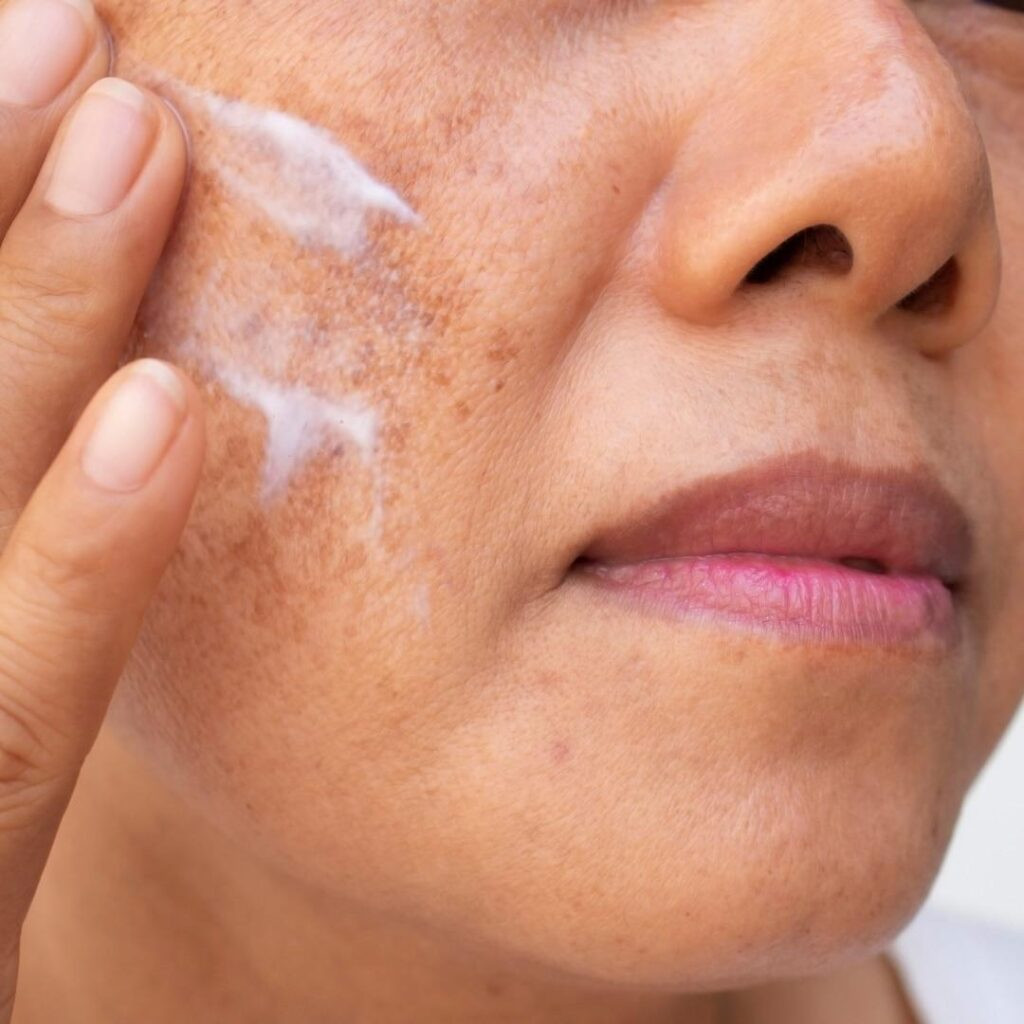
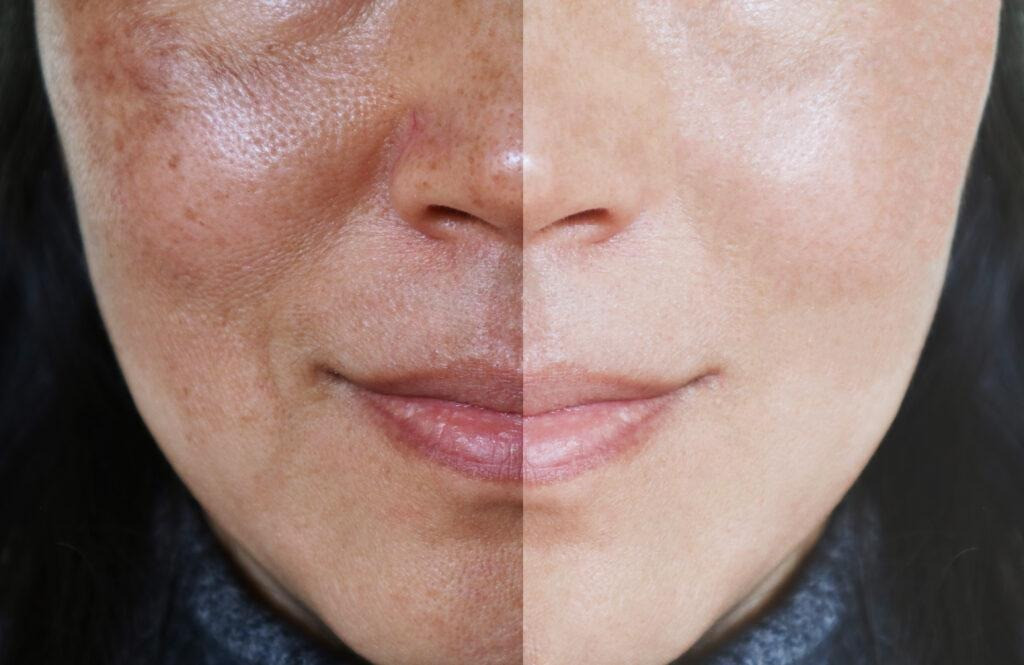
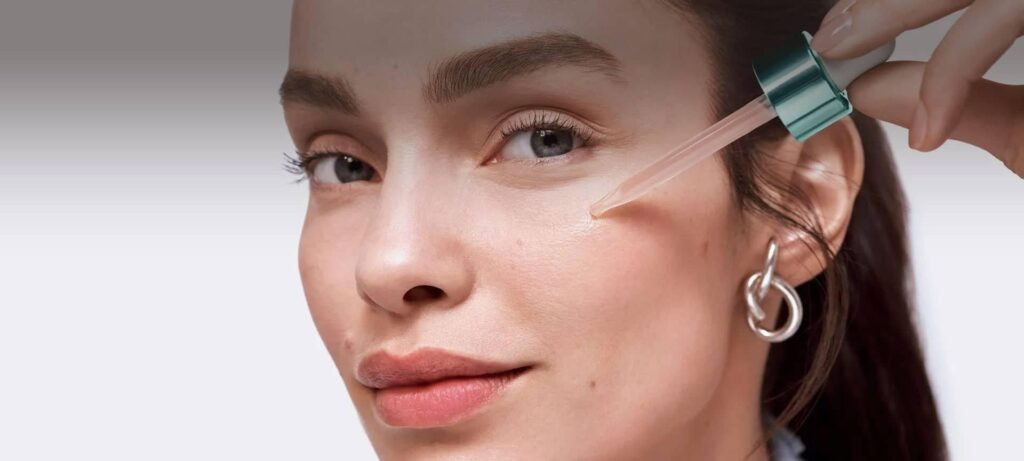
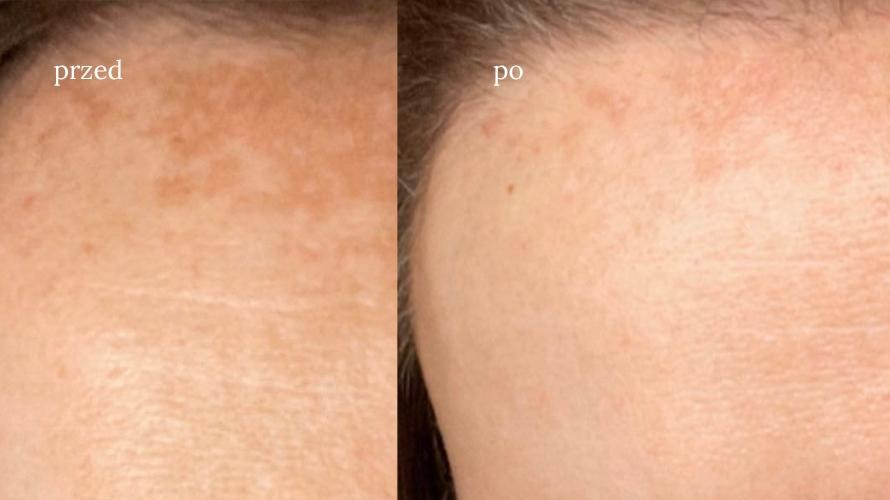
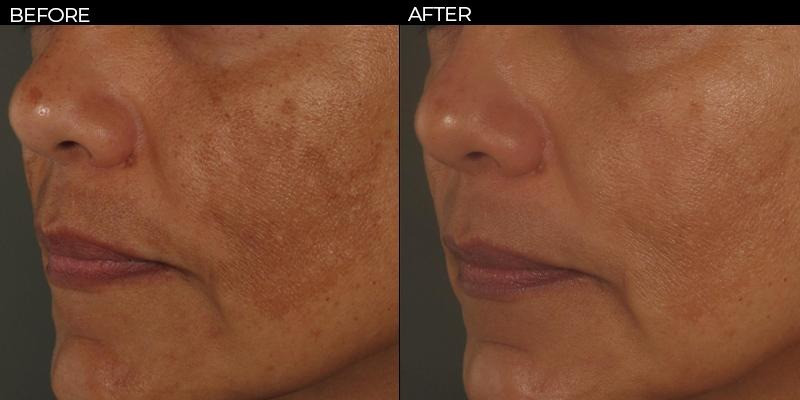
Hydroquinone 4% remains one of the most effective topical treatments for hyperpigmentation, including melasma, post-inflammatory hyperpigmentation, and sun spots. However, while many patients expect rapid results, improvement is gradual and depends on several clinical factors.
How Quickly Does Hydroquinone Work?
Hydroquinone reduces melanin production by inhibiting tyrosinase activity. While biochemical changes begin early, visible results require consistent use over time.
A full breakdown of the expected timeline is explained in this guide on how long does hydroquinone 4% take to show results.
Typical progression:
- 3–4 weeks: early subtle fading
- 6–8 weeks: noticeable improvement
- 10–12 weeks: optimal results
Why Results May Be Delayed
1. Inconsistent Use
Irregular application reduces effectiveness.
2. Sun Exposure
UV radiation stimulates melanocytes and counteracts treatment.
3. Depth of Pigmentation
Deeper pigmentation requires longer treatment.
4. Incorrect Application
Overuse may irritate the skin, while underuse slows progress.
Clinical Strategies to Improve Outcomes



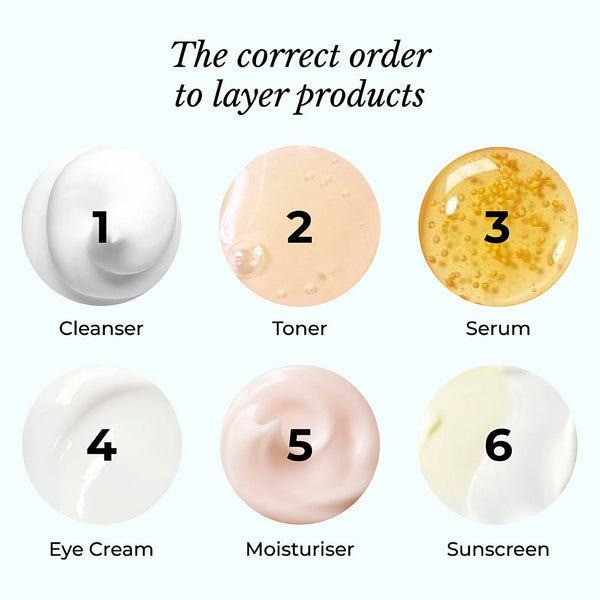


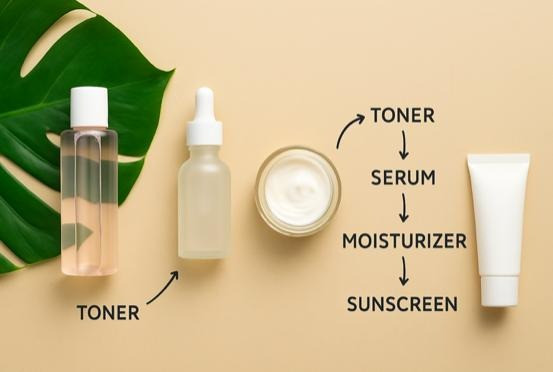
Daily Consistency
Apply as prescribed without skipping days.
Strict Sun Protection
Use SPF 30+ daily to prevent new pigmentation.
Gentle Skincare Routine
Avoid irritation that may worsen discoloration.
Combination Therapy
In some cases, dermatologists combine hydroquinone with retinoids or other agents.
Safety Considerations
Hydroquinone is generally safe when used appropriately, but misuse may lead to:
- Irritation
- Redness
- Rare ochronosis with prolonged use
For evidence-based medical information, see hydroquinone clinical overview.
When to Adjust Treatment
Consult a specialist if:
- No improvement after 12 weeks
- Severe irritation occurs
- Pigmentation worsens
Conclusion
Hydroquinone 4% is a clinically proven treatment for hyperpigmentation. With consistent use, proper sun protection, and realistic expectations, most patients achieve visible improvement within a few months.