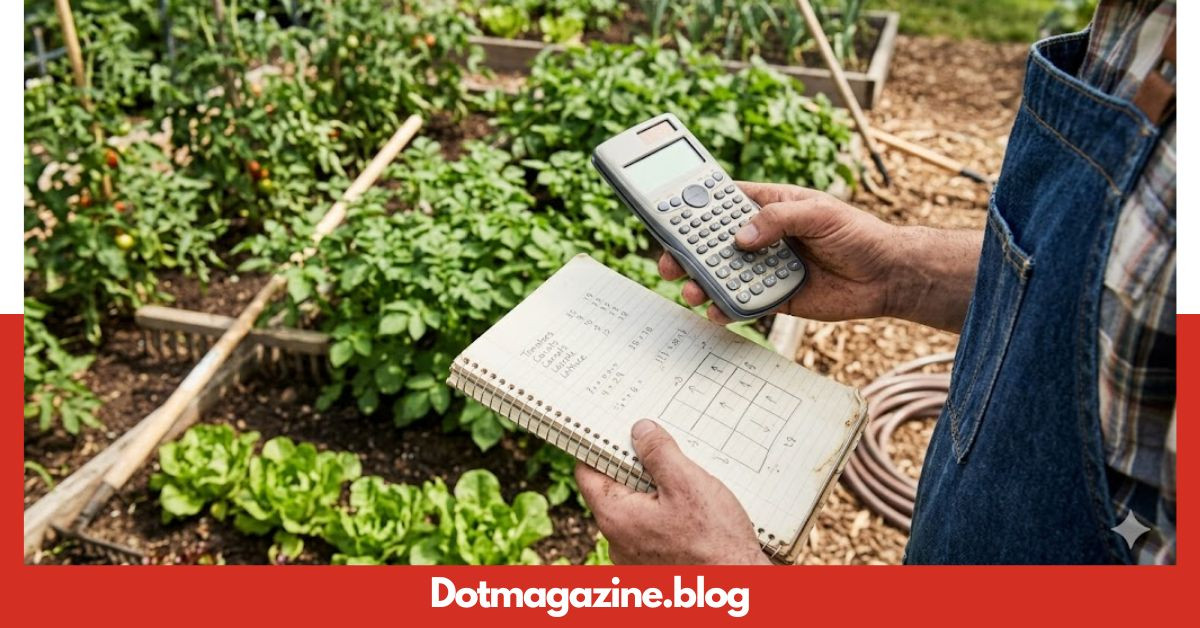
Starting a backyard plot can feel like a guessing game. You might wonder how many seeds fit in a row or how much water your tomatoes need. When you calculator grow a garden, you take the guesswork out of the process. It helps you figure out the exact space each plant needs to breathe and soak up the sun. Using simple math makes sure you do not crowd your greens. This leads to a much bigger harvest when summer hits. I have found that spending ten minutes with a calculator saves hours of hard work later. It is the best way to keep your hobby fun and stress-free.
Choosing the Best Tools for Your Soil Math
You do not need a fancy computer to get started. A basic handheld device or a phone app works perfectly. When you calculator grow a garden, focus on the area of your raised beds first. Measure the length and width in feet. Multiply those numbers to get your total square footage. This number is the key to buying the right amount of compost and mulch. Many beginners buy too much soil and waste money. By using a calculator, you buy exactly what you need. It keeps your project on budget and makes the heavy lifting much easier for everyone involved.
Planning Your Plant Spacing with Precision
Every plant is different. Some need a lot of elbow room, while others like to grow close together. When you calculator grow a garden, check the back of your seed packets for spacing rules. For example, if a plant needs six inches of space, you can fit four of them in a two-foot row. Doing this math before you dig prevents “crowding stress” for your veggies. Healthy plants need good airflow to stay away from bugs and mold. I always map this out on paper first. Using a calculator grow a garden strategy ensures every seedling has a fair shot at growing tall and strong.
How to Calculate Your Watering Schedule
Water is the lifeblood of any backyard project. Most vegetables need about one inch of water every week. You can use a calculator grow a garden method to see how long your hose should run. If your sprinkler puts out half an inch in thirty minutes, you need to run it for an hour a week. It is better to water deeply once or twice rather than a little bit every day. This encourages roots to grow deep into the cool earth. Deep roots help plants survive hot afternoons and dry spells. Math helps you give your plants the perfect drink every single time.
Garden Planning Quick Reference Table
| Task | What to Measure | The Simple Math | Why It Matters |
| Soil Volume | Bed Length x Width x Depth | Multiply all three for cubic feet | Saves money on bags of dirt |
| Seed Count | Row Length / Plant Spacing | Divide length by inches apart | Prevents crowding and disease |
| Watering | Rainfall + Hose Output | Aim for 1 inch total per week | Keeps roots deep and hydrated |
| Harvest Date | Today’s Date + Days to Maturity | Add days from the seed packet | Tells you when to start picking |
| Sunlight | Hours of Direct Light | Total hours from dawn to dusk | Ensures plants have enough energy |
Estimating Your Total Harvest Weight
It is very exciting to think about how much food you will grow. Many people use a calculator grow a garden to predict their yield. For instance, one healthy tomato plant can give you ten to fifteen pounds of fruit. If you plant five of them, you might end up with seventy-five pounds of tomatoes! That is a lot of salsa and sauce for your family. Knowing these numbers helps you decide if you have enough room in your kitchen. It also helps you plan which neighbors might want some of your extra veggies. Planning for a big harvest is part of the fun.
Managing Your Fertilizer and Nutrients
Plants need food just like people do. Most fertilizers have three main numbers on the bag like 10-10-10. These stand for nitrogen, phosphorus, and potassium. When you calculator grow a garden, you must follow the instructions carefully. Adding too much can actually burn the roots of your young plants. Use your calculator to divide the garden area by the rate listed on the bag. This ensures your soil stays healthy and rich without using too many chemicals. Natural compost is also great, and you can calculate how many buckets you need to cover your beds.
Tracking Growth Stages Throughout the Season
Gardening is a journey that takes time. Most seeds have a “days to maturity” number on the box. Use a calculator grow a garden to count forward from the day you plant. If you plant corn today and it takes ninety days, you can mark the harvest date on your calendar. This helps you stay organized and ready for the big day. It also helps you plan “succession planting.” This is when you plant a new crop right after the first one is finished. It keeps your garden producing fresh food all the way until the first frost of winter.
Calculating Sunlight for Every Corner
Not every part of your yard gets the same amount of sun. Most veggies need at least six hours of bright light to thrive. You can calculator grow a garden better by watching the shadows move. Check your yard at 9 AM, 12 PM, and 3 PM. Add up the total hours of direct sun for each spot. Leafy greens like spinach can handle a bit of shade. However, peppers and cucumbers want as much sun as they can get. Use these numbers to place your tall plants where they won’t block the light for the smaller ones.
Figuring Out the Cost of Your Garden
Is it cheaper to grow food or buy it at the store? You can use a calculator grow a garden to find the answer. Add up the cost of seeds, soil, and water. Then, compare that to the price of organic veggies at the supermarket. Most of the time, growing your own saves a lot of money over the long run. Plus, the flavor of a fresh-picked cucumber is much better than one from a store. It is a smart investment for your health and your wallet. I love seeing the savings add up as the baskets fill with food.
Using a Calculator Grow a Garden for Success
In the end, math is just a tool to help your hobby succeed. When you calculator grow a garden, you are being a smart manager of your land. You are making sure nothing goes to waste. Whether you have a tiny balcony or a big backyard, these steps work the same. You will feel more confident as a gardener when you know the numbers. You will spend less time worrying and more time enjoying the fresh air. Grab your calculator and start planning your dream garden today. Your future self will thank you for the hard work you put in now.
Frequently Asked Questions
To calculator grow a garden seed count, divide the length of your row by the spacing suggested on the packet. Always add a few extra seeds in case some do not sprout.
Multiply the length, width, and depth of your bed. This gives you the volume. Most soil is sold by the cubic foot, so this tells you exactly how many bags to buy.
Yes! You can calculate the size of the pot and how much light your plant gets from a window. Math works for all types of growing.
It is best to do your main math during the planning stage in spring. You might also calculator grow a garden again if you decide to add new plants in the middle of summer.
No, it is very simple. Just use a small rain gauge or a tuna can to see how much water your sprinkler releases. Then use your calculator to reach the one-inch goal.
The “days to maturity” is very important. It tells you if you have enough warm days left in the year for the plant to finish growing before winter.
Conclusion:
Using a calculator grow a garden is the smartest move any beginner can make. It turns a confusing task into a simple step-by-step plan. By measuring your space and timing your harvest, you set yourself up for a win. Gardening is a wonderful way to connect with nature and eat healthy food. Do not let the numbers scare you! They are there to make your life easier. Start small, use your tools, and watch your backyard turn into a lush green paradise. Happy planting!