
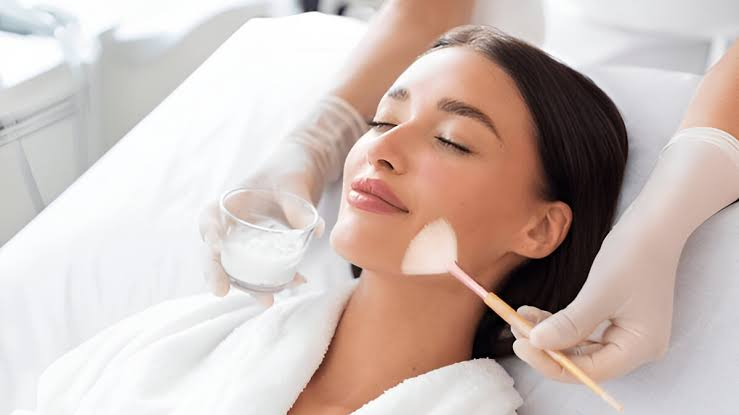
What to Know Before Choosing Chemical Peel Products for Your Skin
Chemical peels have surged in popularity as an at-home skincare solution, promising smoother texture, brighter tone, and a more youthful complexion. But before you reach for that bottle of glycolic acid or salicylic acid serum, there is a lot you need to understand. Choosing the wrong product — or using the right one incorrectly — can lead to irritation, hyperpigmentation, and even scarring. This guide will walk you through everything you need to know to make a safe, informed decision.
What Exactly Is a Chemical Peel?
A chemical peel is a skincare treatment that uses a solution of acids to exfoliate the outer layers of the skin. By dissolving the bonds between dead skin cells, peels encourage faster cell turnover, revealing fresher, healthier skin underneath. While professional peels performed by dermatologists or licensed estheticians use higher concentrations, at-home products offer milder formulations designed for regular use.
chemical peel products can address a wide range of concerns, including:
- Fine lines and wrinkles
- Acne and acne scarring
- Hyperpigmentation and dark spots
- Uneven skin tone and texture
- Sun damage
- Enlarged pores
Understand the Three Depth Levels
Chemical peels are categorized by how deeply they penetrate the skin. Understanding these levels is critical to choosing the right product.
1. Superficial (Light) Peels
These target only the outermost layer of the skin (the epidermis). They typically use mild acids like alpha-hydroxy acids (AHAs) and are suitable for most skin types. Results are subtle but cumulative, and downtime is minimal.
2. Medium Peels
Medium peels penetrate into the upper dermis and often use trichloroacetic acid (TCA) or higher concentrations of glycolic acid. They address more significant concerns like moderate wrinkles and pigmentation. These are generally best left to professionals.
3. Deep Peels
Deep peels use strong chemicals like phenol and reach the lower dermis. They require significant downtime and carry higher risks. Deep peels should never be attempted at home.
For at-home use, stick to superficial peels unless you have explicit guidance from a dermatologist.
Know Your Acids: The Key Ingredients
Not all acids are created equal. The type of acid in a chemical peel determines what it does and who it is best suited for.
Alpha-Hydroxy Acids (AHAs)
- Glycolic Acid: Derived from sugarcane, it has the smallest molecular size of all AHAs, allowing it to penetrate deeply. Excellent for anti-aging and brightening but can be irritating for sensitive skin.
- Lactic Acid: Derived from milk, it is gentler than glycolic acid and also provides hydrating benefits. Ideal for dry or sensitive skin.
- Mandelic Acid: Derived from bitter almonds, it has a larger molecular size, making it the gentlest AHA. A great choice for darker skin tones prone to hyperpigmentation.
Beta-Hydroxy Acids (BHAs)
- Salicylic Acid: Oil-soluble, meaning it can penetrate into pores to dissolve sebum and debris. The gold standard for oily and acne-prone skin.
Polyhydroxy Acids (PHAs)
- Gluconolactone and Lactobionic Acid: These are the gentlest exfoliating acids, with larger molecules that work on the skin’s surface. Perfect for extremely sensitive or reactive skin.
Other Notable Acids
- Trichloroacetic Acid (TCA): Used in medium-depth peels; available in low concentrations for at-home use but requires caution.
- Retinoic Acid: Sometimes included in peel formulations for its anti-aging and cell-renewing properties.
Identify Your Skin Type and Concerns
Your skin type should be the single biggest factor in your product choice.
| Skin Type | Best Acids | What to Avoid |
| Oily / Acne-Prone | Salicylic acid (BHA), glycolic acid | Heavy, oil-based peel formulations |
| Dry | Lactic acid, mandelic acid | High-concentration glycolic acid |
| Sensitive | PHAs, low-concentration lactic acid | Glycolic acid, high-strength peels |
| Combination | AHA/BHA blends | Overly aggressive single-acid peels |
| Darker Skin Tones | Mandelic acid, lactic acid, PHAs | High-concentration glycolic acid, TCA (risk of hyperpigmentation) |
If you are unsure of your skin type, consult a dermatologist before starting any chemical peel regimen.
Pay Attention to Concentration and pH
Two numbers matter more than almost anything else on the label:
- Concentration (%): For at-home use, AHA concentrations should generally stay between 5% and 10%, while BHA products should be around 1% to 2%. Anything higher increases the risk of chemical burns.
- pH Level: The effectiveness of an acid depends on its pH. AHA products work best at a pH of 3 to 4, while BHA products are effective at a pH of 3 to 4 as well. If the pH is too high, the acid will be ineffective; if it is too low, it can cause severe irritation.
Unfortunately, many brands do not disclose pH levels on packaging. Look for reputable brands that are transparent about their formulations, or check independent reviews and testing.
Patch Test: Non-Negotiable
Before applying any chemical peel product to your face, always perform a patch test. Apply a small amount of the product to a discreet area — such as behind your ear or on your inner forearm — and wait 24 to 48 hours. If you experience redness, burning, swelling, or blistering, do not use the product on your face.
Prepare Your Skin Properly
Jumping straight into a chemical peel without preparation is a recipe for disaster. Follow these steps:
- Stop using other exfoliants (retinoids, scrubs, other acids) at least 3–5 days before your first peel.
- Avoid sun exposure and tanning beds for at least one week prior.
- Do not wax or shave the treatment area 24–48 hours before application.
- Cleanse your skin thoroughly before applying the peel to remove oil, makeup, and debris.
Follow Usage Guidelines Carefully
More is not better when it comes to chemical peels. Overuse can damage your skin barrier, leading to chronic redness, sensitivity, and breakouts.
- Start slowly: Use the product once a week and gradually increase to twice a week if your skin tolerates it.
- Follow the recommended leave-on time: If the instructions say 10 minutes, do not leave it on for 20.
- Neutralize if required: Some peels require a neutralizing solution or a rinse with water. Read the instructions carefully.
- Moisturize and protect: Always follow up with a gentle moisturizer and a broad-spectrum sunscreen (SPF 30 or higher). Your skin will be significantly more sun-sensitive after a peel.
Recognize When to Stop
Some tingling or mild stinging is normal during a chemical peel. However, you should rinse the product off immediately and discontinue use if you experience:
- Intense burning or pain
- Blistering or oozing
- Significant swelling
- Dark patches or discoloration
If any of these symptoms persist, seek medical attention from a dermatologist.
When to See a Professional Instead
At-home peels can deliver impressive results for mild concerns, but they are not a substitute for professional treatment in all cases. Consider seeing a dermatologist or licensed esthetician if:
- You have deep wrinkles or severe acne scarring
- You are dealing with melasma or stubborn hyperpigmentation
- You have a history of keloid scarring
- You are using prescription skincare medications like tretinoin
- You have active skin infections or open wounds
Final Thoughts
Chemical peels can be a powerful addition to your skincare routine, but they demand respect. The key to success lies in understanding your skin, choosing the right acid and concentration, and exercising patience. Start low, go slow, and always prioritize the health of your skin barrier over the pursuit of rapid results.
Your skin is unique, and what works for someone on social media may not work for you. When in doubt, consult a board-certified dermatologist who can recommend the safest and most effective peel for your individual needs. With the right knowledge and a cautious approach, chemical peels can help you achieve the glowing, healthy complexion you have been looking for — safely and sustainably.