
What is Jyokyo? Exploring the History of Japan’s Imperial Capitals
Have you ever wondered how Japan decided which city should be its capital? It is a fascinating story that involves emperors, beautiful palaces, and a concept known as jyokyo. In Japanese history, this term often refers to the act of “going to the capital.” For hundreds of years, the capital was the heart of everything. It was where the Emperor lived and where all the big decisions were made. Understanding the history of the capital helps us see how Japan became the amazing country it is today. Today, we are going to dive deep into this topic. We will look at why cities like Kyoto and Tokyo are so important to this cultural journey.
What Does Jyokyo Mean in Japanese History?
To understand jyokyo, we first need to look at the words themselves. In old Japan, the “kyo” part of the word means capital city. When someone would jyokyo, they were usually traveling from a small village to the big, bustling city where the Emperor lived. It wasn’t just a simple trip. It was a major event! People went there for jobs, education, or to see the beautiful shrines. This movement helped spread ideas and fashion across the whole country. Even today, the idea of moving toward the center of culture and power is a big part of Japanese life and history.
The Story of Kyoto: The Eternal Capital
For over a thousand years, Kyoto was the main place for anyone interested in jyokyo. It was founded in the year 794 and was designed to be beautiful and strong. Kyoto is filled with golden temples and peaceful gardens. When you visit Kyoto today, you can still feel the history in the air. For a very long time, if you said you were going to the capital, everyone knew you meant Kyoto. It was the center of art, religion, and the Imperial Court. Many people dream of visiting this city to see where the ancient traditions began and how they still live on.
Moving the Heart of Japan to Tokyo
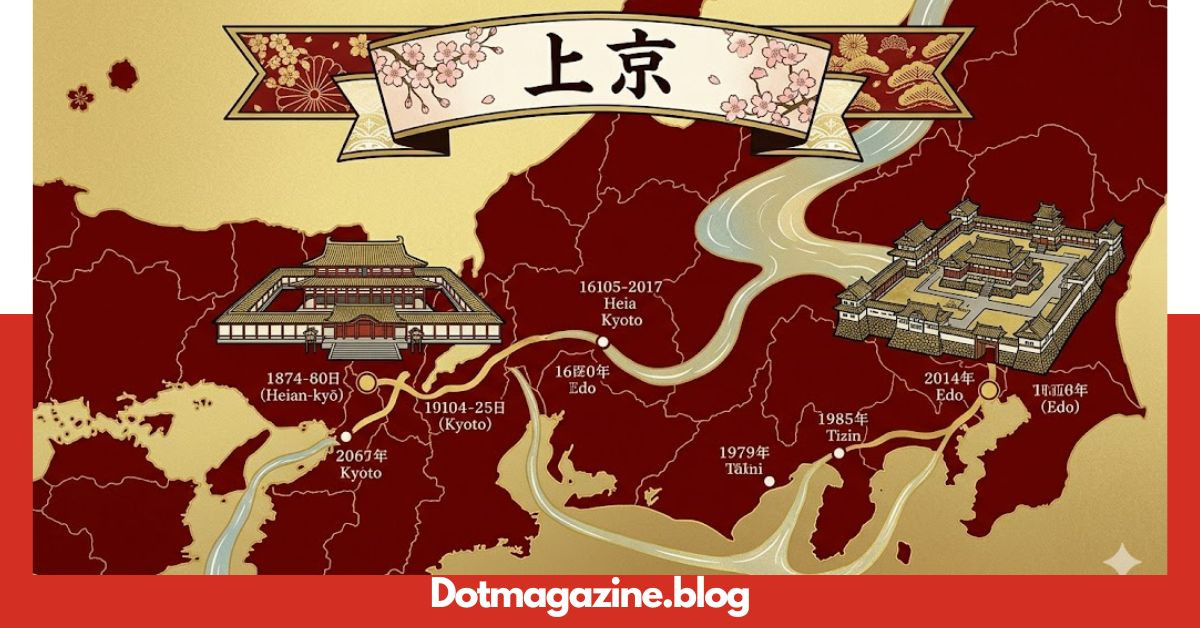
In the late 1800s, something huge happened in Japan. The capital moved from Kyoto to a city called Edo, which we now call Tokyo. This was a massive shift for the concept of jyokyo. The Emperor moved into a new palace, and Tokyo became the new center of the world for the Japanese people. This move happened because Japan wanted to modernize and trade more with other countries. Tokyo was near the ocean, making it perfect for big ships. This change turned a small fishing town into one of the biggest and most exciting cities on the entire planet.
How the Emperor’s Home Defines the Capital
In Japan, the capital is traditionally wherever the Emperor stays. This is why the idea of jyokyo changed when the Emperor moved. When the leader of the country moves, the government and the most important businesses follow. It is like a magnet pulling everything toward the center. Even though Kyoto is still very important for history, Tokyo is the functional heart today. Some people still argue about which city is the “real” capital because the Emperor’s move was never officially written in a law. This makes the history of the capital a very popular topic for students and travelers.
Life in the Capital: Then and Now
Back in the old days, jyokyo meant a long walk or a horse ride through the mountains. It took days or even weeks to reach the city. Today, you can hop on a “bullet train” and get there in just a few hours! While the way we travel has changed, the feeling of excitement remains the same. People still move to Tokyo or Kyoto to find better opportunities and exciting lives. The capital is always full of energy, bright lights, and amazing food. It is a place where the past meets the future in a very cool and unique way.
Comparing Japan’s Great Cities
| Feature | Kyoto (Ancient Heart) | Tokyo (Modern Pulse) |
| Main Vibe | Traditional and Peaceful | Fast and Futuristic |
| Top Landmark | Kinkaku-ji (Golden Pavilion) | Tokyo Tower |
| Food Style | Kaiseki (Formal Meals) | Sushi and Street Food |
| History Start | Year 794 | Year 1868 (as Capital) |
| Primary Goal | Preserving Culture | Economic Growth |
Why People Still Choose to Jyokyo Today
Every year, thousands of young students and workers decide to jyokyo. They leave their quiet hometowns to find success in the big city. This is a very common theme in Japanese movies and books. It represents a fresh start and a chance to achieve big dreams. While the city can be crowded and loud, it offers things you can’t find anywhere else. From world-class museums to giant shopping malls, the capital is a land of endless possibilities. This drive to move toward the center is what keeps Japan’s economy and culture growing so fast every year.
The Beauty of Imperial Palaces
If you ever go to Japan, visiting the Imperial Palace is a must. Whether it is the one in Kyoto or Tokyo, these buildings are the reason for jyokyo. They are surrounded by thick walls and beautiful moats filled with water. These palaces show how much the people respect their history and their leaders. Walking through the palace grounds feels like stepping back in time. You can see where the ancient ceremonies took place. These sites are protected and kept perfect so that future generations can understand the importance of the capital and the Emperor’s role in Japanese society.
Cultural Traditions Born in the Capital
Many things we love about Japan started because of the focus on jyokyo. Tea ceremonies, beautiful silk kimonos, and special types of theater like Kabuki all grew in the capital. Because so many creative people lived in one place, they could share ideas and create new art. The capital was like a giant kitchen where all the best ingredients of Japanese culture were mixed together. Even if you live far away, you can still enjoy these traditions. They are a gift from the capital to the rest of the world, showing the beauty of Japanese creativity.
Practical Tips for Your Own Visit
If you want to experience your own version of jyokyo, I suggest visiting both Kyoto and Tokyo. Start in Kyoto to see the old temples and learn about the monks and samurais. Then, take the train to Tokyo to see the tall skyscrapers and neon lights. This “golden route” is the best way to see the full story of Japan. Make sure to wear comfortable shoes because you will be doing a lot of walking! Also, try the local snacks in each city. Each capital has its own special flavors that you won’t find anywhere else in the world.
Conclusion
The story of jyokyo is really the story of Japan itself. It shows a country that honors its deep roots while also reaching for the stars. From the quiet, temple-filled streets of Kyoto to the high-tech neighborhoods of Tokyo, the capital remains a symbol of hope and progress. Whether you are a history buff or just love to travel, understanding the path of the capital is very rewarding. Japan’s ability to keep its soul while changing its center is truly inspiring. So, are you ready to start your own journey and see these incredible cities for yourself?
Frequently Asked Questions
Many people still call Kyoto the “cultural capital” of Japan. While the government is in Tokyo, Kyoto holds the history and the spirit of ancient Japan. It is the place where the heart of tradition lives.
The Emperor moved during a time called the Meiji Restoration. He wanted to be in a city that was better for business and talking to other countries. Tokyo was the perfect spot for a modern government.
The Shinkansen, or bullet train, is the best way! It is very fast, clean, and always on time. It makes the journey of jyokyo feel like a breeze. You can see Mount Fuji out the window too!
Yes! You can walk through the gardens of the Imperial Palaces in both Tokyo and Kyoto. Some parts require a special tour, so it is a good idea to check their website and book a spot early.
You can learn the basics in a day, but the details take a lifetime! There are so many stories about shoguns, emperors, and artists. Every visit to the capital reveals something new and exciting.
While the word is Japanese, the idea is universal! In many countries, people “go to the capital” for big opportunities. However, in Japan, the word has a very special historical and emotional meaning.