Imagine you have thousands of small snack bags. You need to put them into big cardboard boxes every day. Doing this by hand takes a lot of time. It also makes your hands very tired. This is where a case packer comes to the rescue. A case packer is a smart machine that puts products into boxes automatically. It works fast and never gets tired.
Many factories use a case packer to speed up their work. It takes items from a conveyor belt and places them gently into cases. This machine helps businesses ship more products every single day. It also keeps the products safe from drops and damage. If you want to grow your business, this machine is a great helper.
The History of Automated Packaging Systems
Long ago, people packed every single box by hand. It was slow and hard work. In the past few decades, engineers invented clever machines to help. The earliest machines were big and could only handle one type of box. Over time, technology got much better.
Today, a modern case packer uses computers and sensors to do the job. It can change shapes and sizes with the push of a button. We have watched these machines change from simple tools into smart robots. They are now the backbone of modern shipping departments around the world.
Complete Technical Profile of a Standard Case Packer
To help you understand these machines, we made a simple guide. This table shows what a standard machine looks like and does.
| Feature | Description |
| Machine Name | Automatic Case Packer |
| Main Job | Packing items into cardboard cases |
| Speed Range | 10 to 30 cases every minute |
| Common Material | Strong stainless steel |
| Control System | Digital touch screen panel |
| Power Needs | Standard factory electricity and air |
| Best Used For | Food, drinks, medicine, and soaps |
Export to Sheets
How Does a Case Packer Actually Work?
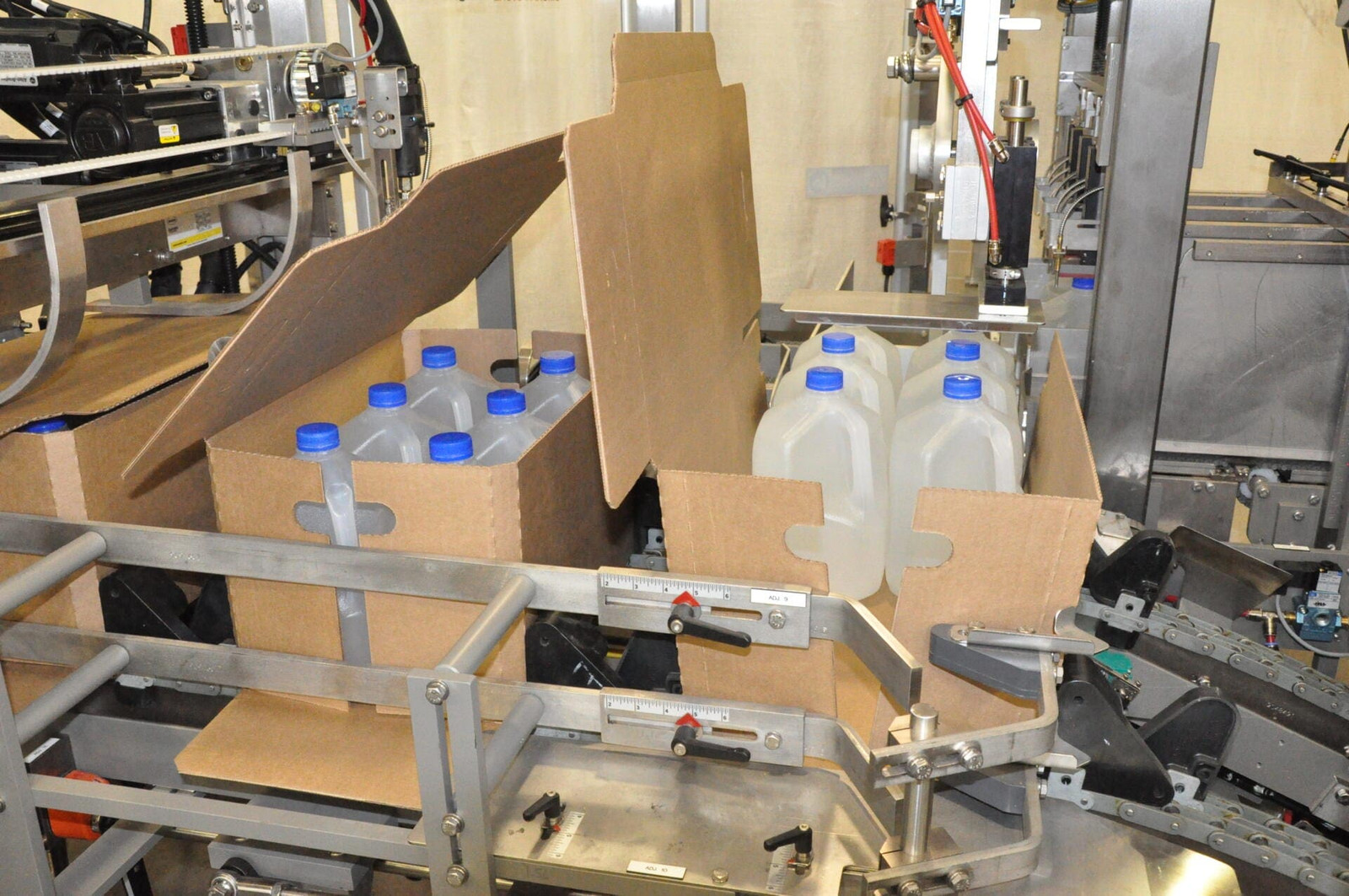
It is fun to watch a case packer do its job. First, the machine takes a flat piece of cardboard and forms it into a box. Next, a conveyor belt brings the products toward the machine. The machine counts the products so the right amount goes into each box.
Finally, the machine lifts or pushes the products into the open case. It glues or tapes the top flaps shut. The finished box is then ready for the delivery truck. The whole process takes only a few seconds from start to finish.
Top Loading vs Side Loading Machines
There are two main ways a case packer can fill a box. The first way is called top loading. A top loading case packer picks up items from above and lowers them down into the box. This method is perfect for bags of chips or soft items that might break easily.
The second way is called side loading. A side loading case packer pushes products into the side of a horizontal box. This style works best for solid items like cereal boxes or canned soup. Both styles are great, but you must pick the one that matches your specific product shape.
The Big Benefits of Using Robotic Packaging
Using a case packer brings many good things to your factory. First, it saves you money on labor costs over time. One machine can do the work of several people without stopping for lunch breaks. Second, it makes fewer mistakes than human hands.
We know that happy workers stay longer, and machines take away the heavy lifting that causes back pain. Your team can focus on easier, safer tasks around the warehouse. Plus, your boxes will look neat and professional every single time.
How to Choose the Right Size for Your Factory
Choosing a case packer requires some simple planning. First, look at the size of your room. Some machines are very long, while others are compact and fit into tight corners. You do not want to buy a machine that blocks your walking paths.
Second, think about how much you want to grow. Buy a machine that can go a bit faster than your current speed. This ensures your machine is still useful if you get more customers next year. Always measure your space twice before making a final choice.
Common Industries That Use Case Packer Machines
You can find a case packer in almost every industry today. The food industry uses them to pack milk cartons, juice bottles, and snack bags. The medicine industry uses them to box up small pill bottles safely.
Even the companies that make your shampoo and laundry soap rely on a case packer to ship goods to stores. Any business that makes a lot of items needs this machine to stay competitive. It is a universal tool for modern shipping.
Simple Maintenance Tips to Make Your Machine Last
If you take good care of your case packer, it will last for many years. First, clean the machine at the end of every day. Dust and glue can stick to the moving parts and cause jams. Second, put oil on the moving joints to keep them sliding smoothly.
We always tell operators to check the sensors once a week. Wipe the sensors with a soft cloth so they can see the boxes clearly. A clean machine is a happy machine that rarely breaks down.
Signs It Is Time to Upgrade Your Packing System
How do you know if you need a new case packer? Watch out for frequent breakdowns that stop your work line. If your machine makes a lot of noise or ruins boxes, it might be getting too old.
Another sign is when your customers want more products than your machine can handle. If your current case packer is too slow, it is holding your business back. Upgrading to a newer model will solve these problems fast.
The Future of Case Packing Technology
The future of the case packer looks very exciting. Newer machines use less power, which helps save the planet and reduces your electric bills. They are also getting much smarter by using artificial intelligence.
Future machines will fix their own jams and tell you when they need repair before they stop working. They will also be able to switch between different box sizes without any human help at all. Buying a machine today sets you up for this high-tech future.
Conclusion: Take Your Packaging to the Next Level
A reliable case packer is one of the best investments a growing business can make. It speeds up your shipping, protects your items, and keeps your workers safe. No more slow packing by hand or dealing with messy tape tape lines. Are you ready to make your factory floor faster and more efficient? Look into getting a case packer for your facility today and watch your business grow!
Frequently Asked Questions
What types of products can a case packer handle?
A case packer can handle bottles, cans, bags, boxes, and pouches. It works with almost any item that fits into a shipping box.
Is it hard to learn how to run a case packer?
No, it is very easy. Most modern machines have simple touch screens with pictures that guide you through the setup.
How fast can a case packer pack boxes?
A standard machine can pack between 10 and 30 cases every minute. Some custom high-speed machines can go even faster.
Can one machine handle different box sizes?
Yes, most machines allow you to adjust the guides to fit different box sizes. This change usually takes just a few minutes.
Does a case packer use glue or tape to seal boxes?
It can do both. You can choose a model that uses hot glue or one that applies standard packing tape.
How much space does a case packer take up?
The size varies by model. Some small machines take up the space of a couch, while large systems need a whole room.