A home can have a working heating and cooling system and still feel uncomfortable from room to room. One bedroom may stay too warm, an upstairs hallway may feel stuffy, and a living area near the thermostat may seem fine while the rest of the house never fully catches up. Uneven temperatures often frustrate homeowners because the problem feels inconsistent and hard to explain. HVAC contractors view these issues as signs of imbalance in the system or in the home itself. The goal is not only to change the thermostat setting, but also to understand why comfort is being delivered unevenly in the first place.
Where Imbalances Begin
- Airflow Problems Often Start the Pattern
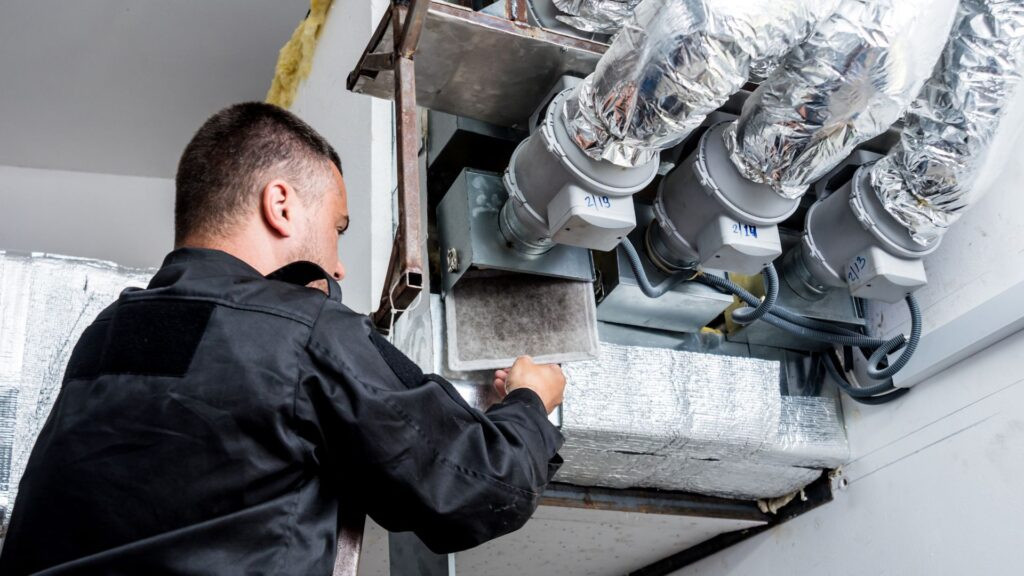
One of the most common causes of uneven temperatures is inconsistent airflow through the duct system. HVAC contractors often begin by checking whether heated or cooled air is reaching each room in the proper amount. A room that receives weak airflow will not condition at the same rate as the rest of the house, even if the equipment is running normally. This can happen when ducts are too long, poorly sized, crushed, disconnected, leaking, or routed in ways that reduce delivery to certain spaces. Closed or blocked supply vents can also contribute, as can return air problems that make it harder for air to circulate back through the system. In multi-story homes, the effect is often more noticeable because warm air rises and different levels respond differently to outdoor temperatures. Contractors may compare airflow at registers, inspect accessible duct sections, and check whether return pathways are helping or hurting circulation. Homeowners searching for comfort solutions often come across air conditioning repair in Tucson when they realize that uneven room temperatures are not always equipment failures but rather signs that airflow is being restricted or misdirected somewhere in the system. Without balanced airflow, the system may keep running while some rooms remain uncomfortable, no matter what the thermostat says.
- Duct Design and Home Conditions Both Matter
Uneven temperatures are not caused by duct issues alone. Contractors also examine how the house itself affects heating and cooling demand from one area to another. Rooms with large windows, strong afternoon sun, inadequate insulation, or air leaks around doors and window frames may gain or lose heat much faster than interior rooms. Bonus rooms above garages, finished attics, and additions are especially prone to temperature differences because they often sit outside the main comfort pattern of the house. In some homes, the original HVAC design never fully matched the layout, particularly if renovations changed the square footage or room use without updating the duct system. Contractors look at whether certain spaces are exposed to more outdoor heat, whether insulation levels vary between floors, and whether air leakage is making one section of the home harder to condition. They also consider whether the thermostat is placed in a spot that reflects only part of the house. If the thermostat is in a comfortable central area, it may shut the system off before distant rooms reach the same comfort level. This is why uneven temperatures often come from the relationship between the HVAC system and the building envelope rather than from one broken part. A room can feel too warm or too cool because it is asking more from the system than the current design can deliver evenly.
- Contractors Test Before Recommending Repairs
HVAC contractors do not usually resolve uneven temperatures by guessing. They look for measurable signs that explain where performance is breaking down. Static pressure testing can reveal whether the blower is struggling against too much resistance. Airflow readings at supply vents help identify which rooms are being underserved. Temperature measurements across different zones of the home can indicate whether the imbalance is due to duct loss, poor return-air movement, insulation differences, or equipment output. Contractors may inspect filters, blower performance, coil condition, dampers, and return grilles because even simple restrictions can affect how evenly air is delivered. Once the cause becomes clearer, the repair approach can be more precise. A contractor may recommend sealing leaking ducts, correcting crushed flexible duct sections, adjusting dampers, improving return air access, or changing how air is balanced between floors. In other cases, insulation improvements, air sealing, zoning adjustments, or thermostat relocation may be part of the solution. The important point is that uneven temperatures usually require a diagnosis of the entire comfort system, not just a quick equipment check. Contractors resolve the issue by matching the repair to the actual reason the home is falling out of balance, rather than treating every hot or cold room as the same kind of problem.
Why Balanced Comfort Takes More Than a Thermostat
Uneven temperatures are usually the result of multiple conditions working together, including airflow restrictions, duct layout problems, insulation gaps, heat gain, and control issues that affect how the house responds to heating and cooling. HVAC contractors resolve the issue by examining how air moves, how the home maintains temperature, and how different rooms place varying demands on the system. That broader view matters because comfort problems rarely disappear with a simple thermostat adjustment alone. When the real cause is identified, repairs can be directed where they will actually improve balance. The result is a home that feels more consistent, more efficient, and much easier to keep comfortable throughout the day.