Why Does a Furnace Blow Air Without Producing Enough Heat?
A furnace that runs constantly but leaves the building cold creates a frustrating kind of confusion. Air is moving, the system sounds active, and yet the heat never seems to catch up. For property managers and building owners, that gap between operation and performance usually points to a problem inside the heating cycle, not a simple comfort complaint.
Why Weak Heat Creates Bigger Concerns
- What Owners Should Notice Early
When a furnace blows air without delivering enough heat, the issue often affects more than the room temperature. It can drive up energy use, increase wear on system components, frustrate occupants, and signal that the equipment is struggling to complete its heating sequence properly. In commercial and multi-unit settings, this matters because poor heating performance can lead to repeated service calls, uneven comfort across zones, and pressure to replace equipment before anyone fully understands what is going wrong. A weak-heating furnace should never be judged by airflow alone. What matters is whether that airflow is actually carrying the amount of heat the building needs.
- Low Heat Often Starts With Airflow Problems
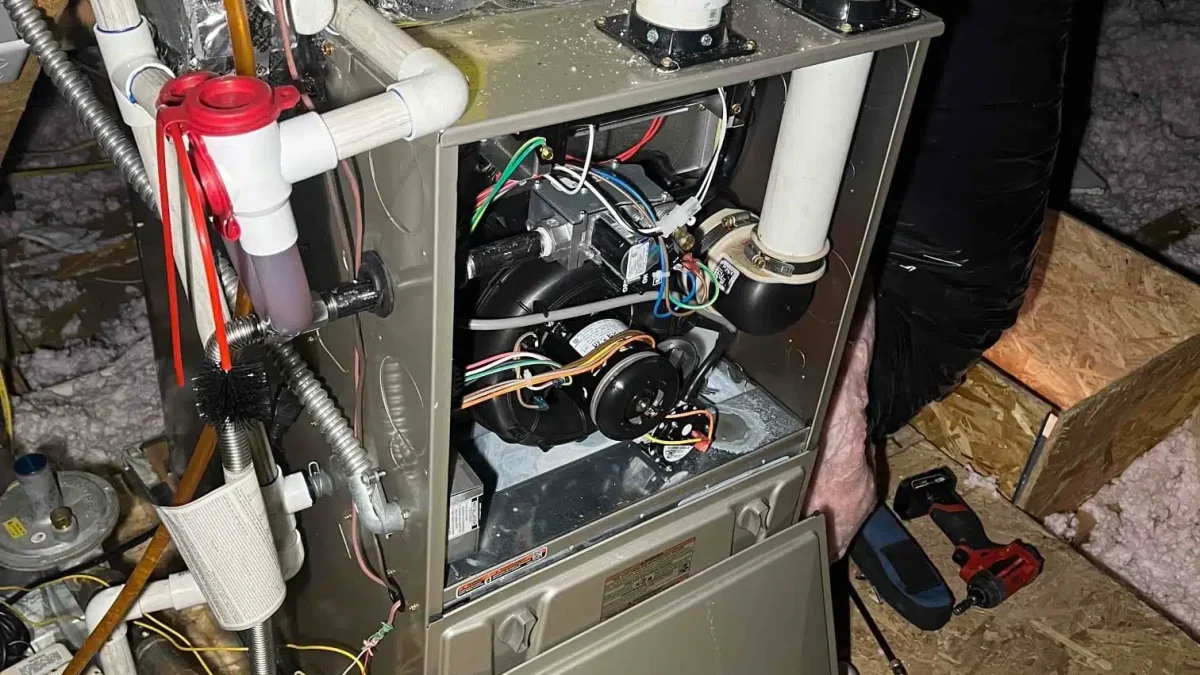
One of the most common reasons a furnace blows air without enough warmth is restricted airflow. That sounds backward at first, but it is a frequent cause. When airflow is limited by a dirty filter, blocked return, undersized duct sections, or a struggling blower assembly, the furnace may overheat internally and shut the burners off too early. The fan can keep running, but the heat source is no longer producing enough output to warm the moving air properly. In larger properties, airflow problems also tend to create uneven temperatures, making some areas feel acceptable while others stay noticeably cold.
- Burner Operation Can Be Incomplete
Sometimes the problem is not the blower side at all. The furnace may be moving air correctly, but the burner operation may be weak, interrupted, or inconsistent. A dirty flame sensor, ignition issue, gas delivery problem, or failing control component can shorten burner cycles and reduce heat production. In those cases, the unit may still appear to run normally from a distance because the fan starts and air continues circulating. Property owners researching regional cooling and heating concerns, including Tuscumbia AC service with Price Heating & Air Conditioning, often encounter the same lesson: equipment performance must be measured by output, not by whether the system simply turns on.
- Thermostat And Control Issues Matter Too
A furnace can also underperform if it receives incorrect signals. If the thermostat is misreading the indoor temperature, is poorly located, or is not communicating properly with the control board, the heating cycle may stop too soon or fail to stage correctly. Some systems are designed to ramp up heat output in steps, and when controls fail, the furnace may never reach the heating level the space requires. This creates a misleading situation for building staff. The system responds, air comes through the vents, and yet the indoor temperature remains stubbornly below target because the furnace is not being allowed to complete the job.
- Duct Losses Can Reduce Delivered Heat
In some buildings, the furnace produces heat, but too much is lost before it reaches occupied spaces. Leaky ducts, disconnected runs, poor insulation, and long duct runs through unconditioned areas can all reduce the heat delivered. That means the furnace may be working hard while rooms still feel underheated. This is especially common in older properties where duct systems were modified over time without a full performance review. The furnace gets blamed because it is the visible equipment, but the real issue may be that the heat it produces is not reaching where it is needed in sufficient volume or at a usable temperature.
- Short Cycling Changes The Whole Picture
Short cycling is another major reason furnaces blow air without producing enough meaningful heat. When the system starts and stops too frequently, it never reaches a steady operating rhythm. That can happen because of overheating, limit switch behavior, thermostat problems, or improper equipment sizing. Each short cycle wastes energy and reduces the system’s ability to deliver stable heat into the building. Occupants notice the result quickly. Air comes out of the vents, but comfort feels weak, inconsistent, and temporary. For managers, short cycling is a strong sign that the issue should be diagnosed promptly rather than treated as a seasonal nuisance.
What A Proper Diagnosis Should Confirm
A furnace that blows air without enough heat is usually telling you that one part of the heating process is no longer supporting the whole system. The problem may involve airflow, burners, controls, duct losses, or cycle length, but the core issue is the same: operation is happening without effective heat delivery. That distinction matters because replacing parts unthinkingly can waste time and money. A proper diagnosis should confirm temperature rise, airflow conditions, burner performance, and control behavior together. When that happens, property owners get a clearer answer, more reliable heat, and a path forward based on system performance rather than guesswork.